- Back
- Home
- Online Shop
- About Us
- Contact Us
- View Cart 0
- Wishlist 0
- Login / Register
- Language:繁中 |
Spinning
0 Likes - 0 Comments
Brass Finishes Explained: Polished, Satin, Antique and Black
The same brass handle can look entirely different depending on its finish. A mirror-polished knob suits a classic interior, while a matte black pull fits a contemporary kitchen. Understanding how each finish is produced, and how it behaves over time, helps designers and homeowners make the right choice. Here is an overview of the finishes we offer at Innovation Global Group Limited.
Polished brass is the traditional look. After machining or casting, the part is ground and buffed through several stages using progressively finer compounds until the surface reflects like a mirror. Polished brass is usually sealed with a clear lacquer to delay tarnishing. Unlacquered polished brass is also available for clients who want the metal to develop a natural patina, sometimes called a living finish.
Satin brass, also known as brushed brass, is created by drawing an abrasive belt or pad across the surface in one direction, leaving fine parallel lines. The result is a softer, warmer tone that hides fingerprints and minor scratches better than a mirror finish. Satin brass is popular in hospitality projects and modern residential interiors.
Antique brass is produced by applying a controlled chemical darkening treatment, then selectively relieving the high points by hand. This gives depth and the appearance of age, highlighting the detail on cast or embossed pieces. Because each piece is finished by hand, slight variation between items is normal and part of the character.
Black finishes on brass can be achieved by electroplating, chemical blackening or powder coating. Electroplated black nickel gives a hard, slightly reflective surface; powder coat produces a deeper matte look with good scratch resistance. Black hardware pairs well with light timber, concrete and white cabinetry.
Plated finishes such as chrome, nickel and gold use brass as the base metal. Brass is an excellent substrate for electroplating because it is non-ferrous and dimensionally stable, and the plating adheres evenly. Should a plated surface ever wear through, the brass underneath will not rust.
Protective lacquer deserves a special mention. A good quality clear coat, applied in a dust-free booth and cured properly, can keep a polished or satin finish looking consistent for many years indoors. In high-touch or outdoor locations, lacquer will eventually wear, and the exposed brass will begin to darken. This is normal and can be refreshed.
When selecting a finish, consider the overall palette of the space, how frequently the hardware will be touched, cleaning routines and whether you prefer a finish that stays constant or one that evolves. For larger orders and OEM projects, we produce finish panels so you can approve the colour before mass production begins.
Request a finish chart from our team, or visit our Kwai Chung office to see the full range in person.
Share it

Introducing Our Distributor Starter Range
Following enquiries from lighting shops and overseas partners, we have put together a distributor starter range of our best-selling brass components.
Mid-Autumn Gift Idea: Brass Desk Accessories
Brass makes a lasting corporate gift. This Mid-Autumn season several clients asked us to adapt our square base blocks and knurled columns into pen holders and paperweights.
Why Brass Prices Moved This Year and What It Means for Your Order
Brass is mostly copper, so its price follows the copper market. Bar stock prices rose around six percent in the first half of this year.
Brass Components for Lighting and Furniture Projects: What Designers Should Know
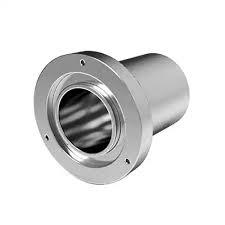
Brass has long been the material of choice for lamp bodies, arms, fittings and furniture details. Its warm tone complements timber, marble and fabric, and its machinability allows the fine threads and precise joints that lighting and furniture assemblies depend on. At Innovation Global Group Limited we supply a wide range of brass components to lighting brands, joinery workshops and interior designers. Here are key points to consider when specifying them.
How We Check Plating Quality Before Shipment
Plating problems are the most common reason for returns in the hardware trade, so we inspect every lot before it leaves the factory.
Planning Production Around Chinese New Year
Factories in Dongguan close for two to three weeks around Chinese New Year, and workers return gradually. For customers, that means orders placed in January need careful timing.

Caring for Brass Hardware: A Practical Maintenance Guide
Brass hardware is built to last, but a little regular care keeps it looking its best and working smoothly for decades. The right method depends on whether your hardware is lacquered, unlacquered or plated, so the first step is to identify the finish. If you are unsure, check your order documents or contact our team at Innovation Global Group Limited and we will confirm it for you.
Lacquered vs Unlacquered Brass: Which Should You Choose?
Brass straight from polishing is bright and golden, but it will darken over time as it reacts with air and touch. Whether you want that change decides whether you need lacquer.
Brass Hardware Trends for Hong Kong Homes
Hong Kong flats are compact, so every visible detail counts. Over the past year we have seen designers specify brass in three ways.

From Drawing to Delivery: Our OEM Hardware Manufacturing Process
Many of our clients come to us with a clear idea: a handle profile unique to their furniture collection, a replacement fitting for heritage joinery, or a branded brass component for a product line. Our OEM service at Innovation Global Group Limited turns these ideas into reliable parts produced at scale. Here is how a typical project moves from first conversation to delivery.
What to Include in an OEM Hardware Enquiry
A clear enquiry gets you an accurate quotation faster. These are the details we ask for before pricing an OEM brass part.
Understanding Brass Grades: C3604, C2680 and When to Use Each
Not all brass is the same. The two grades we use most at our Dongguan factory are C3604 and C2680, and choosing the right one affects cost, finish and strength.
color
border style
- * Accept either 'px' or % as unit, e.g. 0px, 5px, 5%
typography
Heading (H1, H2, H3, H4, H5, H6)
Body Text (Paragraph, Label)
Title
Link
button
- * Accept either 'px' or % as unit, e.g. 0px, 5px, 5%
- * First number: top and bottom padding
* Second number: left and right padding
* Units: px Hover Effect
Product Item - Add to Wishlist