- Back
- Home
- Online Shop
- About Us
- Contact Us
- View Cart 0
- Wishlist 0
- Login / Register
- Language:繁中 |
Spinning
0 Likes - 0 Comments
Caring for Brass Hardware: A Practical Maintenance Guide
Brass hardware is built to last, but a little regular care keeps it looking its best and working smoothly for decades. The right method depends on whether your hardware is lacquered, unlacquered or plated, so the first step is to identify the finish. If you are unsure, check your order documents or contact our team at Innovation Global Group Limited and we will confirm it for you.
Lacquered brass. Most polished and satin brass hardware we supply is protected by a clear lacquer. This coating does the hard work for you, so cleaning should be gentle. Wipe the surface weekly with a soft, dry microfibre cloth. For fingerprints or grease, use a cloth dampened with warm water and a drop of mild dish soap, then dry immediately. Never use metal polish, abrasive pads, ammonia-based cleaners or bleach on lacquered brass, as these will dull or strip the coating and lead to uneven tarnishing.
Unlacquered brass. Unlacquered or living-finish brass will naturally darken and develop a warm patina. Many clients enjoy this character and simply dust the pieces regularly. If you prefer to restore the original shine, apply a small amount of a non-abrasive brass polish with a soft cloth, working in the direction of any brushing lines, then buff with a clean cloth. A paste of lemon juice and baking soda is a traditional alternative for light tarnish; rinse thoroughly and dry afterwards.
Plated and black finishes. Chrome, nickel, gold-tone and black finishes should be treated like lacquered brass: soft cloth, mild soap, no abrasives. Powder-coated black hardware is quite durable, but harsh solvents can affect its sheen.
Hinges and moving parts. Every six to twelve months, check that hinge screws are tight, as timber can shrink and expand with seasonal humidity. A drop of light machine oil or a dry PTFE lubricant on the hinge pin keeps doors moving quietly; wipe away any excess so it does not attract dust. For knobs and handles, retighten fixing screws by hand if you notice any movement. Avoid power tools, which can strip brass threads.
Bathrooms, kitchens and coastal homes. Steam, cooking oil and salt air accelerate tarnishing. Wipe hardware in these areas more frequently and keep the surfaces dry. Ventilation helps a great deal in Hong Kong's humid climate.
Refinishing. If lacquer has worn through on a heavily used handle, the piece can be stripped, re-polished and re-lacquered rather than replaced. This is one of the key advantages of solid brass over cheaper materials. Contact us for refinishing advice or replacement parts that match your existing hardware.
With these simple habits, your brass hardware will continue to look refined and perform reliably for many years.
Share it

Mid-Autumn Gift Idea: Brass Desk Accessories
Brass makes a lasting corporate gift. This Mid-Autumn season several clients asked us to adapt our square base blocks and knurled columns into pen holders and paperweights.
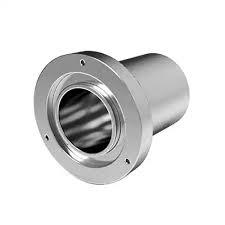
Brass Components for Lighting and Furniture Projects: What Designers Should Know
Brass has long been the material of choice for lamp bodies, arms, fittings and furniture details. Its warm tone complements timber, marble and fabric, and its machinability allows the fine threads and precise joints that lighting and furniture assemblies depend on. At Innovation Global Group Limited we supply a wide range of brass components to lighting brands, joinery workshops and interior designers. Here are key points to consider when specifying them.
Cabinet Hinge Brackets: Getting the Hole Spacing Right
Hinge brackets look simple, but a one-millimetre error in hole spacing can stop a cabinet door from closing flush.
From Prototype to Mass Production: A Hotel Lobby Case
In May a hospitality client asked us to supply brass components for a lobby chandelier refurbishment. The brief: match existing aged fittings and deliver within ten weeks.
Inside Our Dongguan Partner Factory
Our parts are made at 國銅五金廠 in Shuibei Industrial Area, Shipai Town, Dongguan. The factory runs CNC lathes, stamping presses, polishing lines and an in-house packing area.
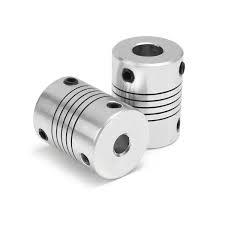
Brass and Sustainability: A Material Built for the Circular Economy
As more of our clients set environmental targets for their buildings and products, we are often asked how brass hardware fits into a sustainable specification. The answer is encouraging. Brass is one of the most recyclable engineering materials in use today, and its long service life means fewer replacements and less waste over the life of a building.
How We Check Plating Quality Before Shipment
Plating problems are the most common reason for returns in the hardware trade, so we inspect every lot before it leaves the factory.
Choosing Brass Components for Café and Restaurant Lighting
Food and beverage spaces are hard on hardware: steam, grease and constant cleaning. Brass handles this well if the right finish is chosen.
Lacquered vs Unlacquered Brass: Which Should You Choose?
Brass straight from polishing is bright and golden, but it will darken over time as it reacts with air and touch. Whether you want that change decides whether you need lacquer.
Brass Hardware Trends for Hong Kong Homes
Hong Kong flats are compact, so every visible detail counts. Over the past year we have seen designers specify brass in three ways.
Understanding Brass Grades: C3604, C2680 and When to Use Each
Not all brass is the same. The two grades we use most at our Dongguan factory are C3604 and C2680, and choosing the right one affects cost, finish and strength.

Brass Finishes Explained: Polished, Satin, Antique and Black
The same brass handle can look entirely different depending on its finish. A mirror-polished knob suits a classic interior, while a matte black pull fits a contemporary kitchen. Understanding how each finish is produced, and how it behaves over time, helps designers and homeowners make the right choice. Here is an overview of the finishes we offer at Innovation Global Group Limited.
color
border style
- * Accept either 'px' or % as unit, e.g. 0px, 5px, 5%
typography
Heading (H1, H2, H3, H4, H5, H6)
Body Text (Paragraph, Label)
Title
Link
button
- * Accept either 'px' or % as unit, e.g. 0px, 5px, 5%
- * First number: top and bottom padding
* Second number: left and right padding
* Units: px Hover Effect
Product Item - Add to Wishlist