- Back
- Home
- Online Shop
- About Us
- Contact Us
- View Cart 0
- Wishlist 0
- Login / Register
- Language:繁中 |
Spinning
0 Likes - 0 Comments
Brass and Sustainability: A Material Built for the Circular Economy
As more of our clients set environmental targets for their buildings and products, we are often asked how brass hardware fits into a sustainable specification. The answer is encouraging. Brass is one of the most recyclable engineering materials in use today, and its long service life means fewer replacements and less waste over the life of a building.
Infinitely recyclable. Brass can be melted down and recast repeatedly without losing its mechanical properties. Unlike many plastics and composites, there is no downgrading in quality from one life cycle to the next. A large share of the brass bar and ingot used in hardware manufacturing worldwide already comes from recycled sources, including machining swarf, production offcuts and end-of-life components.
Closing the loop in production. In CNC machining, the chips and turnings produced when shaping a brass part are collected, separated from cutting fluid and returned to the mill for remelting. At Innovation Global Group Limited we work with production partners who segregate brass scrap by alloy grade so it can be recycled efficiently. Forging and casting processes also reuse gates, runners and rejected parts.
Long life, less waste. The most sustainable product is often the one you do not need to replace. A solid brass hinge or handle, properly installed and maintained, can remain in service for decades. When interiors are refurbished, brass hardware is frequently cleaned and reinstalled. This durability compares favourably with lower-cost zinc alloy or plastic hardware that may crack, corrode or wear out within a few years.
Lead-free and low-lead options. Traditional free-machining brass contains a small percentage of lead to improve cutting performance. For applications where this is a concern, such as items in contact with drinking water, children's furniture or projects pursuing green building certification, we can supply lead-free or low-lead brass alloys that meet international standards. We provide material certificates on request.
Responsible finishing. Plating and surface treatment are areas where environmental controls matter. We prioritise partners who operate licensed wastewater treatment systems and comply with restrictions on hazardous substances such as RoHS and REACH. Where possible, we recommend finishes with lower environmental impact, such as unlacquered living brass or water-based lacquers.
Efficient packaging and logistics. For bulk OEM orders, we use returnable cartons and recyclable inner packaging where clients can accommodate it, and we consolidate shipments to reduce transport emissions. Holding buffer stock in Hong Kong also allows planned deliveries rather than urgent air freight.
Sustainability is a journey, and we continue to review our materials, partners and processes each year. If your project has specific environmental requirements or documentation needs, speak to our team. We will help you select brass hardware that supports both your design goals and your sustainability commitments.
Share it

Why Brass Prices Moved This Year and What It Means for Your Order
Brass is mostly copper, so its price follows the copper market. Bar stock prices rose around six percent in the first half of this year.
Brass Components for Lighting and Furniture Projects: What Designers Should Know
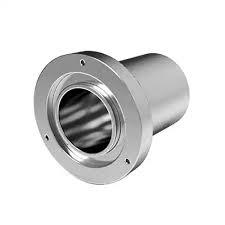
Brass has long been the material of choice for lamp bodies, arms, fittings and furniture details. Its warm tone complements timber, marble and fabric, and its machinability allows the fine threads and precise joints that lighting and furniture assemblies depend on. At Innovation Global Group Limited we supply a wide range of brass components to lighting brands, joinery workshops and interior designers. Here are key points to consider when specifying them.
Cabinet Hinge Brackets: Getting the Hole Spacing Right
Hinge brackets look simple, but a one-millimetre error in hole spacing can stop a cabinet door from closing flush.
From Prototype to Mass Production: A Hotel Lobby Case
In May a hospitality client asked us to supply brass components for a lobby chandelier refurbishment. The brief: match existing aged fittings and deliver within ten weeks.
Inside Our Dongguan Partner Factory
Our parts are made at 國銅五金廠 in Shuibei Industrial Area, Shipai Town, Dongguan. The factory runs CNC lathes, stamping presses, polishing lines and an in-house packing area.
Choosing Brass Components for Café and Restaurant Lighting
Food and beverage spaces are hard on hardware: steam, grease and constant cleaning. Brass handles this well if the right finish is chosen.
Planning Production Around Chinese New Year
Factories in Dongguan close for two to three weeks around Chinese New Year, and workers return gradually. For customers, that means orders placed in January need careful timing.
Lacquered vs Unlacquered Brass: Which Should You Choose?
Brass straight from polishing is bright and golden, but it will darken over time as it reacts with air and touch. Whether you want that change decides whether you need lacquer.
Understanding Brass Grades: C3604, C2680 and When to Use Each
Not all brass is the same. The two grades we use most at our Dongguan factory are C3604 and C2680, and choosing the right one affects cost, finish and strength.

Brass Finishes Explained: Polished, Satin, Antique and Black
The same brass handle can look entirely different depending on its finish. A mirror-polished knob suits a classic interior, while a matte black pull fits a contemporary kitchen. Understanding how each finish is produced, and how it behaves over time, helps designers and homeowners make the right choice. Here is an overview of the finishes we offer at Innovation Global Group Limited.
How to Choose the Right Hinges and Handles for Your Furniture
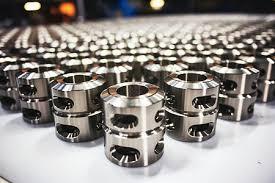
Hinges and handles are among the smallest components of a cabinet, wardrobe or door, yet they determine how a piece of furniture feels every time it is used. Choosing well at the design stage avoids sagging doors, loose knobs and costly replacements later. Here is the checklist our furniture hardware team at Innovation Global Group Limited uses when advising clients.

Why Solid Brass Remains the Benchmark for Quality Hardware
Walk into any well-made hotel lobby, heritage shophouse or high-end residence and you will almost certainly find brass. Door handles, hinges, cabinet pulls and decorative trims made from this copper-zinc alloy have been specified by architects and furniture makers for generations. At Innovation Global Group Limited we have worked with brass since 2015, and we still consider it the benchmark against which other hardware materials are measured.
color
border style
- * Accept either 'px' or % as unit, e.g. 0px, 5px, 5%
typography
Heading (H1, H2, H3, H4, H5, H6)
Body Text (Paragraph, Label)
Title
Link
button
- * Accept either 'px' or % as unit, e.g. 0px, 5px, 5%
- * First number: top and bottom padding
* Second number: left and right padding
* Units: px Hover Effect
Product Item - Add to Wishlist