- Back
- Home
- Online Shop
- About Us
- Contact Us
- View Cart 0
- Wishlist 0
- Login / Register
- Language:繁中 |
Spinning
0 Likes - 0 Comments
From Drawing to Delivery: Our OEM Hardware Manufacturing Process
Many of our clients come to us with a clear idea: a handle profile unique to their furniture collection, a replacement fitting for heritage joinery, or a branded brass component for a product line. Our OEM service at Innovation Global Group Limited turns these ideas into reliable parts produced at scale. Here is how a typical project moves from first conversation to delivery.
Step 1: Enquiry and brief. We begin by understanding the application. Where will the part be used, what loads will it carry, what finish is required and what quantities are expected over the first year? Clients may send 2D drawings, 3D CAD files, reference photos or an existing physical part. We sign a non-disclosure agreement on request before any files are shared.
Step 2: Engineering review. Our engineers assess the design for manufacturability. We recommend the most suitable brass grade, the best production method (CNC machining, hot forging, die casting, stamping or a combination) and identify features that could raise cost without adding value, such as unnecessary undercuts or extremely tight tolerances on non-critical surfaces. We then issue a quotation covering unit price at different volumes, tooling cost and lead time.
Step 3: Prototyping. Once the quotation is confirmed, we produce first-off prototypes, usually by CNC machining so they can be made quickly without hard tooling. Prototypes are finished in the specified colour and supplied with a dimensional report. Clients check fit and function and provide feedback, and we revise the design if needed.
Step 4: Tooling and pre-production. For forged, cast or stamped parts, we build dedicated tooling after prototype approval. A pre-production run is made using the final tooling and process, and these golden pieces are signed off by the client as the reference standard for mass production.
Step 5: Mass production and quality control. Production takes place in our partner facilities in Asia under our quality management procedures. We inspect incoming raw material certificates, carry out in-process dimensional checks, and perform final inspection on finish, plating thickness, thread gauges and function. Inspection reports accompany each shipment.
Step 6: Packaging and logistics. Parts can be bulk packed for assembly lines or individually packed with your branding for retail. We arrange delivery to Hong Kong, mainland China or overseas destinations and can hold buffer stock in Hong Kong for scheduled call-offs.
Throughout the project, a single account manager keeps you informed, so you always know the status of prototypes, tooling and production. Typical lead times are two to three weeks for prototypes and five to eight weeks for first production, depending on complexity and quantity.
Whether you need 500 pieces or 50,000, we would be glad to review your design. Send your drawings to [email protected] or call +852 6883 8863 to start the conversation.
Share it

Introducing Our Distributor Starter Range
Following enquiries from lighting shops and overseas partners, we have put together a distributor starter range of our best-selling brass components.
Why Brass Prices Moved This Year and What It Means for Your Order
Brass is mostly copper, so its price follows the copper market. Bar stock prices rose around six percent in the first half of this year.
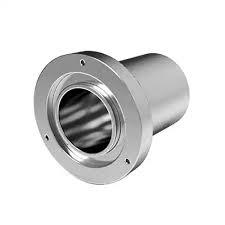
Brass Components for Lighting and Furniture Projects: What Designers Should Know
Brass has long been the material of choice for lamp bodies, arms, fittings and furniture details. Its warm tone complements timber, marble and fabric, and its machinability allows the fine threads and precise joints that lighting and furniture assemblies depend on. At Innovation Global Group Limited we supply a wide range of brass components to lighting brands, joinery workshops and interior designers. Here are key points to consider when specifying them.
From Prototype to Mass Production: A Hotel Lobby Case
In May a hospitality client asked us to supply brass components for a lobby chandelier refurbishment. The brief: match existing aged fittings and deliver within ten weeks.
Inside Our Dongguan Partner Factory
Our parts are made at 國銅五金廠 in Shuibei Industrial Area, Shipai Town, Dongguan. The factory runs CNC lathes, stamping presses, polishing lines and an in-house packing area.
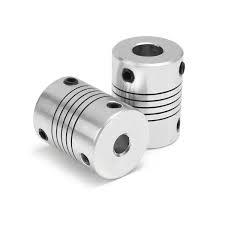
Brass and Sustainability: A Material Built for the Circular Economy
As more of our clients set environmental targets for their buildings and products, we are often asked how brass hardware fits into a sustainable specification. The answer is encouraging. Brass is one of the most recyclable engineering materials in use today, and its long service life means fewer replacements and less waste over the life of a building.
Planning Production Around Chinese New Year
Factories in Dongguan close for two to three weeks around Chinese New Year, and workers return gradually. For customers, that means orders placed in January need careful timing.
Lacquered vs Unlacquered Brass: Which Should You Choose?
Brass straight from polishing is bright and golden, but it will darken over time as it reacts with air and touch. Whether you want that change decides whether you need lacquer.
Brass Hardware Trends for Hong Kong Homes
Hong Kong flats are compact, so every visible detail counts. Over the past year we have seen designers specify brass in three ways.
What to Include in an OEM Hardware Enquiry
A clear enquiry gets you an accurate quotation faster. These are the details we ask for before pricing an OEM brass part.
Understanding Brass Grades: C3604, C2680 and When to Use Each
Not all brass is the same. The two grades we use most at our Dongguan factory are C3604 and C2680, and choosing the right one affects cost, finish and strength.
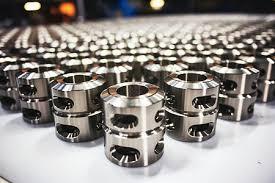
How to Choose the Right Hinges and Handles for Your Furniture
Hinges and handles are among the smallest components of a cabinet, wardrobe or door, yet they determine how a piece of furniture feels every time it is used. Choosing well at the design stage avoids sagging doors, loose knobs and costly replacements later. Here is the checklist our furniture hardware team at Innovation Global Group Limited uses when advising clients.
color
border style
- * Accept either 'px' or % as unit, e.g. 0px, 5px, 5%
typography
Heading (H1, H2, H3, H4, H5, H6)
Body Text (Paragraph, Label)
Title
Link
button
- * Accept either 'px' or % as unit, e.g. 0px, 5px, 5%
- * First number: top and bottom padding
* Second number: left and right padding
* Units: px Hover Effect
Product Item - Add to Wishlist