- Back
- Home
- Online Shop
- About Us
- Contact Us
- View Cart 0
- Wishlist 0
- Login / Register
- Language:繁中 |
Spinning
0 Likes - 0 Comments
Understanding Brass Grades: C3604, C2680 and When to Use Each
Not all brass is the same. The two grades we use most at our Dongguan factory are C3604 and C2680, and choosing the right one affects cost, finish and strength.
C3604 is a free-cutting brass with a small lead content that lets it machine cleanly at high speed. It is our first choice for turned parts such as cap nuts, knurled columns, threaded nipples and lamp holder cups, where tight thread tolerances matter.
C2680 has a higher copper content and excellent ductility. It bends and stamps without cracking, which makes it ideal for ceiling canopies, flat rings, back plates and decorative washers.
When you send us a drawing, we recommend a grade based on the part's shape, finish and quantity. If you are unsure, ask for a material certificate with your sample – we keep one on file for every production lot.
Share it

Introducing Our Distributor Starter Range
Following enquiries from lighting shops and overseas partners, we have put together a distributor starter range of our best-selling brass components.
Mid-Autumn Gift Idea: Brass Desk Accessories
Brass makes a lasting corporate gift. This Mid-Autumn season several clients asked us to adapt our square base blocks and knurled columns into pen holders and paperweights.
Why Brass Prices Moved This Year and What It Means for Your Order
Brass is mostly copper, so its price follows the copper market. Bar stock prices rose around six percent in the first half of this year.
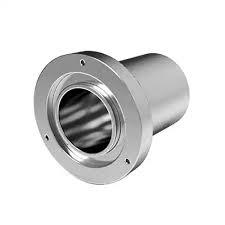
Brass Components for Lighting and Furniture Projects: What Designers Should Know
Brass has long been the material of choice for lamp bodies, arms, fittings and furniture details. Its warm tone complements timber, marble and fabric, and its machinability allows the fine threads and precise joints that lighting and furniture assemblies depend on. At Innovation Global Group Limited we supply a wide range of brass components to lighting brands, joinery workshops and interior designers. Here are key points to consider when specifying them.
Inside Our Dongguan Partner Factory
Our parts are made at 國銅五金廠 in Shuibei Industrial Area, Shipai Town, Dongguan. The factory runs CNC lathes, stamping presses, polishing lines and an in-house packing area.
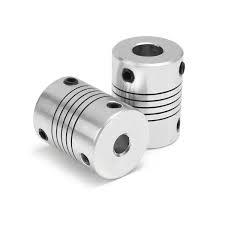
Brass and Sustainability: A Material Built for the Circular Economy
As more of our clients set environmental targets for their buildings and products, we are often asked how brass hardware fits into a sustainable specification. The answer is encouraging. Brass is one of the most recyclable engineering materials in use today, and its long service life means fewer replacements and less waste over the life of a building.
How We Check Plating Quality Before Shipment
Plating problems are the most common reason for returns in the hardware trade, so we inspect every lot before it leaves the factory.

Caring for Brass Hardware: A Practical Maintenance Guide
Brass hardware is built to last, but a little regular care keeps it looking its best and working smoothly for decades. The right method depends on whether your hardware is lacquered, unlacquered or plated, so the first step is to identify the finish. If you are unsure, check your order documents or contact our team at Innovation Global Group Limited and we will confirm it for you.
What to Include in an OEM Hardware Enquiry
A clear enquiry gets you an accurate quotation faster. These are the details we ask for before pricing an OEM brass part.

Brass Finishes Explained: Polished, Satin, Antique and Black
The same brass handle can look entirely different depending on its finish. A mirror-polished knob suits a classic interior, while a matte black pull fits a contemporary kitchen. Understanding how each finish is produced, and how it behaves over time, helps designers and homeowners make the right choice. Here is an overview of the finishes we offer at Innovation Global Group Limited.
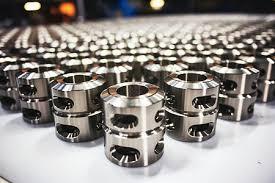
How to Choose the Right Hinges and Handles for Your Furniture
Hinges and handles are among the smallest components of a cabinet, wardrobe or door, yet they determine how a piece of furniture feels every time it is used. Choosing well at the design stage avoids sagging doors, loose knobs and costly replacements later. Here is the checklist our furniture hardware team at Innovation Global Group Limited uses when advising clients.

Why Solid Brass Remains the Benchmark for Quality Hardware
Walk into any well-made hotel lobby, heritage shophouse or high-end residence and you will almost certainly find brass. Door handles, hinges, cabinet pulls and decorative trims made from this copper-zinc alloy have been specified by architects and furniture makers for generations. At Innovation Global Group Limited we have worked with brass since 2015, and we still consider it the benchmark against which other hardware materials are measured.
color
border style
- * Accept either 'px' or % as unit, e.g. 0px, 5px, 5%
typography
Heading (H1, H2, H3, H4, H5, H6)
Body Text (Paragraph, Label)
Title
Link
button
- * Accept either 'px' or % as unit, e.g. 0px, 5px, 5%
- * First number: top and bottom padding
* Second number: left and right padding
* Units: px Hover Effect
Product Item - Add to Wishlist